Explore Rehab Alternatives
Adult & Teen Challenge New Mexico
Your Affordable Path to Christian Rehabilitation
Confronting the Opioid Crisis in America

The insidious grasp of the opioid epidemic has tormented the United States for nearly three decades. At every turn, heart-wrenching headlines chronicle the devastating toll of opioid abuse and addiction. While recent years have witnessed a surge in fatal overdoses due to rampant opiate accessibility, the shadow cast by these pain-relieving substances has been long and haunting. This crisis is merely the latest installment in a troubling history of suffering and death stemming from opiate misuse, reaching back as far as the arrival of the Mayflower in the 1620s.
Tracing the Past and Present of Opiates

While the current crisis may seem novel, the use and misuse of opiates in America possess a history as deep-rooted as the nation itself. This legacy dates back to the Pilgrims, who brought a substance known as laudanum, derived from the opium in poppy plants. Over time, opiates gained traction in medical care due to their potent analgesic properties. By the 19th century, many opiates were classified as controlled substances at the federal level, although their use persisted medically and recreationally. The resurgence of opiate addiction in the 1960s and 1970s, fueled by the emergence of synthetic opioids and illegal heroin influx from Asia, marked a dark chapter.
The Present Epidemic
Opiate addiction has now escalated into a full-fledged epidemic. Approximately 30 million individuals worldwide grapple with opiate abuse, with about 2.1 million residing in the U.S. The surge in users has triggered a distressing spike in overdose fatalities, which have quadrupled since 1999. This surge has particularly impacted adolescents and women. Among young people, the wave is primarily attributed to an escalating volume of opioid prescriptions, nearly doubling over the last decade. Women, frequently prescribed higher doses for longer durations, have borne the brunt, with 48,000 female lives claimed by prescription pain reliever overdoses in the past decade.
Visible Signs of Opiate Abuse
 Opiate addiction often exhibits overt physical symptoms and behavioral deviations that stand out. Physical signs encompass:
- Evident joy and euphoria.
- Profound sedation and drowsiness.
- Cognitive confusion.
- Constricted pupils.
- Slow respiration.
- Unintentional nodding off or lapses into unconsciousness.
- Digestive issues, including constipation.
Behaviorally, opiate abuse triggers a range of changes that reflect attempts to sustain the habit:
- “Doctor shopping” involves visits to multiple physicians for prescriptions.
- Rapid and erratic mood shifts.
- Presence of paraphernalia like pill bottles, spoons, foil, and needles.
- Social withdrawal from friends and family.
- Financial struggles often culminate in repeated requests for money or theft.
The True Cost of Opiate Addiction
 Calculating the complete toll of opiate addiction extends beyond the financial expenditure on drugs. The expense of addiction is far more profound than monetary value.
Many individuals commence opiate use under medical guidance, often at a relatively low cost if covered by insurance. However, once addiction surpasses medical supervision, the street price elevates drastically. Street-acquired opiates can be priced 10-13 times higher, rendering the habit financially unsustainable. Consequently, some addicts transition to heroin, a riskier yet more affordable alternative, costing around $20 per dose.
Impact on the Addict
Opiates wield formidable power with a distinct clinical purpose. Their use outside medical confines, minus professional oversight, can be problematic. When under the influence, an opiate addict experiences profound calm, euphoria, insensitivity to pain, sleepiness, and suppressed respiration.
Opiates also imprint on the brain, disrupting the release of GABA, a naturally occurring chemical controlling dopamine flow, the neural pleasure signal—unimpeded, dopamine flow results in the euphoria characteristic of opiates. Prolonged addiction alters brain chemistry, causing depression and mood disorders.
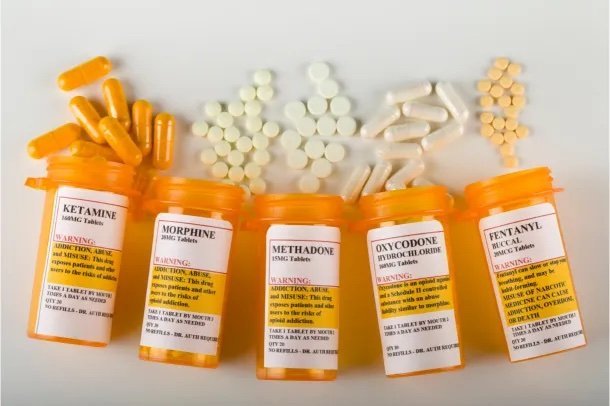 Long-term abuse exacerbates the risk of severe, even fatal, side effects. Agitating symptoms such as muscle spasms and cardiovascular issues emerge, with opiates reigning as the leading cause of overdose deaths in the U.S.
Permanence and Relapse in Opiate Use
Treating opiate addiction is a daunting challenge. A staggering 90% of opiate addicts encounter relapse during recovery. These relapses, often occurring in early stages, can transpire at any point in an individual’s journey.
Relapse is complex among heroin and opiate addicts, involving alteration and damage to the mesolimbic system, which is responsible for pleasure and reward. Over time, dependence on the drug for fun emerges, contributing to ongoing depression and anxiety. While most addicts eventually overcome these brain chemistry changes, the process is arduous and protracted.
Recovery demands structured support, often necessitating abstinence and separation within a rehab facility or hospital. Therapeutic sessions, 12-step programs, and religious initiatives are pivotal in ongoing recovery.
Navigating Opiate Detox
Opiate withdrawal is notorious, evoking dread and anxiety within the addict community. Symptom severity hinges on duration and quantity of use.
Symptoms include:
- Agitation.
- Anxiety.
- Muscle aches.
- Insomnia.
- Sweating.
- Exhaustion.
Severe withdrawal introduces intensified symptoms such as abdominal cramps, diarrhea, and nausea. Though home detox is technically safe, its cravings often prove counterproductive. Medical settings offer advantages, including opiate detox drugs (methadone, suboxone, etc.) that mitigate withdrawal symptoms and cravings.
 Physical and Mental Challenges of Opiate Recovery
Recovering from potent drugs like opiates is a demanding journey, extending beyond initial detox. Ongoing recovery demands resilience and support.
Opiate relapse rates are substantial, with cravings posing persistent challenges. Tapering protocols featuring drugs like methadone and buprenorphine alleviate cravings without the intense opiate high.
Are You or a Loved One Struggling With Opioid Addiction?
Adult & Teen Challenge New Mexico Women’s Campus is here to help through a faith-based residential program and licensed counseling services. Adult & Teen Challenge New Mexico puts hope within reach of those who need it most. Women of all ages and backgrounds are finding freedom from addiction and other life-controlling issues, restoring relationships with their families, and creating new, hope-filled futures for themselves and their loved ones.
With treatment plans unique to each person, our programs work closely with counselors and support staff to address their past hurts, overcome present issues, and prepare for successful futures.
They Got Help Here

"I fell into a deep opiate addiction -- it held me captive for eight years, until I was introduced to this program. My life has changed!”
Karen

"I was struggling with a cocaine addiction for 8 years. Today, my family has been restored, and my life has stability. I am a working, trusted and responsible person.”
Christin

"I was in and out of rehabs, living out of my car. I ended up in jail, and then came here. Now I am no longer a hopeless drug addict, but a godly woman.”
Coty
Video Testimonials