Discover Assistance at Adult & Teen Challenge New Mexico Women’s Center for Painkiller Addiction
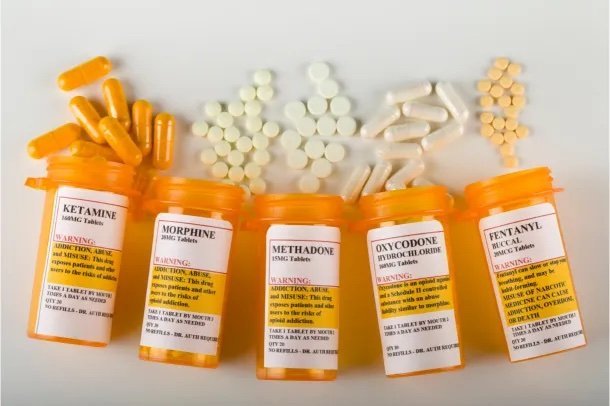
Addiction to pain killers is a stealthy foe that often takes hold innocently. Frequently, these medications are prescribed for common ailments such as oral surgery or fractures. Sadly, it’s not uncommon for patients to become addicted during their recovery period, leading them to continue using even after the medical necessity has passed. As a result, the demographics of painkiller addiction differ from other types of addictions.
Unraveling the History and Prevalence of Painkiller Addiction
Painkillers have existed for centuries, accompanying humanity’s experience of physical discomfort. However, the modern era of painkiller addiction can be traced back to the 1700s when opium was transformed into morphine. This evolution gave rise to substances like codeine and, in the 1930s, Methadone emerged. Since then, numerous painkillers have been introduced by American pharmaceutical companies, many of which carry a high potential for abuse.
Painkiller addiction is cunning. It often ensnares patients who were initially prescribed these medications for genuine medical reasons. A routine procedure, such as oral surgery or a fractured bone, can be the starting point for addiction. This pattern has led to distinct differences in the demographics compared to other forms of addiction.
A Noteworthy Challenge: The Ease of Painkiller Addiction
One remarkable characteristic of painkiller addiction is its swift onset. Even individuals with no history of addiction can succumb to its grasp within a short period. This alarming trend has led the DEA to declare that painkillers now surpass marijuana as the most common gateway to initial drug abuse. In 2009, around 7 million Americans abused prescription painkillers, marking a 13% surge from the previous year. This unsettling trajectory is projected to persist.
Identifying Outward Signs of Painkiller Addiction
 Recognizing painkiller addiction isn’t always straightforward, as many addicts exhibit minimal or no visible signs. Unlike substances with distinct odors, painkillers are inconspicuous. They don’t typically impair motor skills or speech significantly, and the pills themselves are small and easily concealed.
Nonetheless, as the addiction progresses, addicts become better at spotting the signs. Watch for the following indicators:
- Excessive drowsiness, even during conversations or inappropriate situations.
- Neglected hygiene, such as infrequent bathing and unkempt appearance.
- Frequent flu-like symptoms, including nausea, fever, and headaches.
- Noticeable weight loss due to appetite suppression.
- Decreased libido.
- Financial inconsistencies, are driven by the high cost of the habit.
The Financial Toll of Painkiller Addiction
Painkiller addiction takes a unique toll on an addict’s finances. Initially, during prescribed recovery, the cost is often low due to insurance coverage. The problem arises when dependency sets in, pushing individuals to misuse their prescriptions or turn to the black market once their medical need has ceased.
While prescription painkillers are typically affordable, the street prices can skyrocket. What may cost $40-$100 for a bottle can escalate to 10-13 times that on the streets. Moreover, the addiction’s progression often leads to job instability and financial strain, forcing some addicts into criminal activities to support their habit.
The Impact of Painkiller Addiction on the Individual
Painkillers, when administered and monitored by healthcare professionals, serve as potent tools for pain management. However, prolonged misuse of these drugs yields distressing physical and mental effects. Users experience a sense of deep relaxation, reduced sensitivity to pain, drowsiness, constipation, and slowed breathing.
These drugs also affect the brain’s chemistry, influencing the release of dopamine, a chemical tied to pleasure and reward. Over time, this creates euphoria and contributes to long-term brain issues, including depression.
Extended usage carries significant risks, such as muscle spasms, cardiovascular problems, and even death. In fact, painkiller overdose is a major concern, with over 20,000 individuals succumbing to painkiller overdoses in a single year.
Permanence and Risk of Relapse in Addiction to Pain Killers

Overcoming opiate addiction, including painkiller addiction, is an arduous journey. Over 90% of opiate addiction survivors will face relapse. While most relapses occur within the initial week of sobriety, a substantial number happen within the first month.
The reasons for relapse are manifold. Painkillers influence the brain’s pleasure and reward center, deepening the craving for the drug. This dependence conditions the addict to seek the substance for any semblance of pleasure. To address this, extended rehab, therapeutic sessions, and support groups play vital roles.
Navigating Painkiller Detoxification
Once an addict decides to withdraw from painkillers, they will undergo a withdrawal period. The severity and duration of withdrawal symptoms depend on factors such as the person’s history of abuse and the doses they consumed.
Early withdrawal symptoms typically encompass agitation, anxiety, muscle aches, insomnia, sweating, and fatigue. In severe cases, abdominal cramps, diarrhea, nausea, and vomiting may occur. Although these symptoms are uncomfortable, they generally subside within 7-10 days and are rarely life-threatening.
While home detox is possible, it’s less comfortable and poses a higher relapse risk compared to medically supervised detox. Medical professionals can prescribe opioid detox drugs like methadone or suboxone to alleviate withdrawal discomfort.
Challenges of Physical and Mental Recovery to Addiction to Pain Killers
 Recovering from painkiller addiction involves enduring challenges. Beyond initial detox and withdrawal, addicts face potent cravings during early recovery. Some recovery plans incorporate tapering protocols, which involve prescribed medications like methadone, buprenorphine, naltrexone, or naloxone. These drugs interact with opioid receptors, lessening cravings over time.
Therapy also plays a pivotal role, in helping addicts identify the underlying causes of addiction and make meaningful lifestyle changes. Recovery programs vary, encompassing inpatient, outpatient, 12-step, religious, individual, group, and family therapy options. Regardless of the path, uncovering the root causes of addiction and fostering a robust support network is key.
Adult & Teen Challenge New Mexico offers a comprehensive approach to aiding women in overcoming addiction to pain killers. The program’s extended duration allows addicts to transcend their addiction, as it takes about a year of controlled, supervised recovery to truly break free. Most other rehab programs lack the capacity to provide such extensive care or are financially out of reach for many individuals.
References:
- Narconon. “A Brief History of Painkiller Abuse”. http://www.narconon.org/blog/narconon/a-brief-history-of-painkiller-abuse/
- National Institute on Drug Abuse. “Abuse of Rx Drugs Affects Young Adults Most”. February 2016. https://www.drugabuse.gov/related-topics/trends-statistics/infographics/abuse-prescription-rx-drugs-affects-young-adults-most
- Foundation For a Drug Free World. “The Truth About Painkillers: International Statistics”. http://www.drugfreeworld.org/drugfacts/painkillers/international-statistics.html
- Partnership For Drug-Free Kids. “Sky-High Prices for Prescription Opioids”. June 1, 2011. Staff. https://drugfree.org/learn/drug-and-alcohol-news/sky-high-prices-for-prescription-opioids-sold-on-street/
- Addiction.com. “12 Signs Someone You Love Has A Painkiller Problem”. June 2015. Lisa Davis. https://
They Got Help Here

"I fell into a deep opiate addiction -- it held me captive for eight years, until I was introduced to this program. My life has changed!”
Karen

"I was struggling with a cocaine addiction for 8 years. Today, my family has been restored, and my life has stability. I am a working, trusted and responsible person.”
Christin

"I was in and out of rehabs, living out of my car. I ended up in jail, and then came here. Now I am no longer a hopeless drug addict, but a godly woman.”
Coty
Video Testimonials