Explore the Adult & Teen Challenge New Mexico
Affordable and Faith-Based Rehabilitation Solution
 Understanding Sedatives
Sedatives constitute a class of drugs renowned for their sleep-inducing properties, coupled with a profound sense of relaxation at lower dosages. This category encompasses diverse substances, ranging from alcohol to benzodiazepines. In this context, we’ll specifically refer to nonbenzodiazepine hypnotics like Lunesta and Ambien when using the term “sedative.” However, it’s important to note that these drugs, when used excessively or beyond prescribed limits, can lead to addiction.
Historical Context and Prevalence of Sedative Addiction
Bromides historically served as precursors to modern sedative medications yet were eventually discontinued due to accumulating toxicity concerns in the body. Consequently, barbiturates emerged as the preferred sedative option in the early 20th century. Nevertheless, barbiturates introduced their challenges, including dependency, tolerance, and potentially lethal overdoses.
Today, hypnotics rank among the most frequently prescribed drugs in the country. While experts often highlight their comparatively lower risk profile compared to barbiturates and bromides, these drugs are not devoid of dependency risks.

The prevalence of past-year, non-medical sedative use stands at approximately 2.3%. Within this group, about 10% meet criteria indicative of abuse and dependence. This underscores the commonality of sedative addiction in the United States.
Sedative addiction transcends demographic boundaries, affecting individuals of varying backgrounds. Risk factors encompass older age, unmarried status, lack of education, and a history of criminal activity. Gender and ethnicity also play roles, with women and Caucasian individuals being more susceptible. It’s crucial to acknowledge that addiction to sedatives can affect anyone, irrespective of statistics.
Diverging from illicit substances, sedative addiction frequently emerges from mental health conditions. Individuals might initially receive diagnoses such as sleep or mood disorders, leading to sedative prescriptions. Over time, misuse can entail surpassing recommended doses or continuing usage post-prescription, thus contributing to addiction.
Outward Manifestations of Sedative Addiction

Detecting sedative abuse often resembles identifying alcoholism to the untrained eye. Similar to alcohol, sedatives prompt rapid physiological effects, inducing intoxication in under 30 minutes. Like benzodiazepines and other addictive agents, they target brain regions tied to the neurotransmitter GABA, producing the intended hypnotic effect alongside additional side effects.
Abuse of hypnotics unveils outward indicators such as:
- Impaired focus and attention.
- Inappropriate conduct.
- Unpredictable or erratic moods.
- Impaired decision-making.
- Slowed reflexes.
- Challenges with coordination and balance.
- Slurred speech.
- Impaired memory or blackout episodes.
These effects underscore the potential dangers of sedative abuse. Individuals experiencing blackouts while under the influence can pose threats to themselves and others, especially if they engage in activities like driving or combining sedatives with other substances. Medical professionals have observed that life-threatening scenarios often involve concurrent use of sedatives and other drugs.
Cost Considerations of Sedative Addiction
Given that sedatives are typically prescription-based, their cost can be challenging to pinpoint. Those with legitimate prescriptions generally pay lower prices than those buying the drugs illegally. When these medications enter the black market, their prices may substantially escalate due to criminal involvement. On average, street prices for sedatives fall below $5, making them notably more affordable than many other street-acquired prescription drugs.
Distinct from various prescription drugs, sedative abuse demonstrates less direct ties to criminal activity. The effects of drugs like Ambien and Lunesta tend to limit individuals to sedentary activities, diminishing the link between nonbenzodiazepine sedative abuse and criminal behavior.
While criminal involvement might be less frequent, sedative abusers often grapple with significant challenges in their personal lives. Parents or family members abusing sedatives can become emotionally distant and unavailable. They might struggle to engage in education or social activities due to sedation. Recovered individuals frequently report missing out on substantial portions of life while under the influence, existing in a drug-induced haze marked by memory gaps.
Impact of Sedative Addiction

In its intended therapeutic usage, sedatives expedite sleep onset. However, misuse or elevated dosages can precipitate adverse effects alongside drowsiness. Among users consuming excessive hypnotic doses, “blackouts” emerge as a prevalent issue. During these episodes, motor and speech functions remain, albeit impaired, yet memory recall is impaired. Such episodes pose dangers, as affected individuals might operate vehicles or inadvertently harm themselves or others.
With prolonged use, sedative abusers may encounter profound psychological shifts, including hallucinations and paranoia. These cases carry inherent risks, compounded by impaired judgment that increases the likelihood of rash or suicidal actions.
Extended sedative use spurs tolerance development, necessitating larger doses and heightening the risk of severe side effects. Long-term consequences encompass depression, chronic fatigue, breathing difficulties, sexual dysfunction, and persistent insomnia. Anxiety and panic tendencies are also frequent, particularly when access to the required dose is hindered.
Prolonged sedative usage also precipitates physical ailments, encompassing elevated blood sugar, diabetes, weight gain, and heightened susceptibility to heart problems, choking, liver dysfunction, and suicide, as suggested by certain studies.
Persistence and Relapse in Sedative Addiction
Prolonged sedative abuse often fosters addiction and potentially lasting challenges. Relapse rates for sedative abusers during the initial 5 years of recovery hover around 50%. Notably, individuals aiming to overcome sedative abuse face a disproportionately high suicide risk compared to those combating other addictions. Consequently, early intervention is pivotal, with shorter usage periods enhancing prospects of successful recovery.
Hypnotics exert a direct influence on the brain. Consequently, abstaining from these drugs can yield disruptions to the brain’s natural rhythms, culminating in protracted recovery periods. The body becomes accustomed to sedation as a prerequisite for functions such as sleep, rendering recovering individuals susceptible to depression and insomnia. This combined effect often leads to relapse or suicidal ideation.
Given these challenges, professional medical supervision remains crucial.
Detoxification from Sedative Addiction

Detox experiences vary depending on the specific sedative used. Short-acting hypnotics initiate withdrawal symptoms within 1-2 days, peaking around day 3. Longer-acting hypnotics extend this timeline, with peak symptoms emerging after roughly 7 days. Withdrawal manifestations typically include:
- Anxiety.
- Insomnia and restlessness.
- Postural hypotension.
- Nausea and vomiting.
- Tremors.
- Impaired coordination.
- Blurred vision.
- Sweating.
- Delirium.
Sedative withdrawal harbors the potential for perilous or even fatal outcomes. Hence, individuals should never endeavor to self-detox without medical oversight. Professional care often entails gradual dose reduction or transition to low-dose benzodiazepine regimens, mitigating high-risk withdrawal scenarios. Complementary medications targeting anxiety or sleep issues might also be administered.
Physical and Mental Challenges in Sedative Addiction Recovery

Sustaining abstinence poses the chief challenge in sedative addiction recovery. Access to the drugs of abuse is frequently accessible, whether via dealers or prescriptions, perpetuating vulnerability to relapse. Overcoming this entails reshaping one’s life to accommodate a substance-free existence. Such transformation typically involves altering social circles, forsaking old routines and environments, and fostering a supportive network of fellow recovering individuals.
Adult & Teen Challenge New Mexico Women’s Center is here to help through a faith-based residential program and licensed counseling services. Adult & Teen Challenge New Mexico is putting hope within reach of those who need it most. Women of all ages and backgrounds are finding freedom from addiction and other life-controlling issues, restoring relationships with their families, and creating new, hope-filled futures for themselves and their loved ones.
With treatment plans unique to each person, our programs work closely with counselors and support staff to address their past hurts, overcome present issues, and prepare for successful futures.
They Got Help Here

"I fell into a deep opiate addiction -- it held me captive for eight years, until I was introduced to this program. My life has changed!”
Karen

"I was struggling with a cocaine addiction for 8 years. Today, my family has been restored, and my life has stability. I am a working, trusted and responsible person.”
Christin

"I was in and out of rehabs, living out of my car. I ended up in jail, and then came here. Now I am no longer a hopeless drug addict, but a godly woman.”
Coty
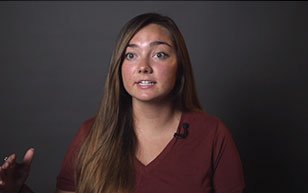
Video Testimonials